Saturday, February 28, 2026

Functional Fitness for Real Life: The Case for Everyday Athleticism


Most people think athletes are those who train for a sport. But what if you’re already training—just without meaning to?

Functional Fitness for Real Life: The Case for Everyday Athleticism
👉 Check Price on Amazon

Why Most People Don’t See Themselves as Athletes

When I was younger, I believed that strength training—or even training hard—was only for athletes: people preparing for a competition or a race of some kind. If you played a sport, I could see how it might be useful. But I wasn’t doing any of that.

I didn’t really understand why a “regular” person who studied or worked a 9–5 job would benefit from spending time training. What would they even need all that strength for?

I never once thought of myself as an athlete. And it probably comes as no surprise that I wasn’t great in PE. I passed, but I was no fitness phenomenon. The kids who excelled were the ones who played sports, and this only reinforced my belief that I was indeed not an athlete—because I couldn’t do what they did.

In high school, I became very focused on my grades because I wanted as many options as possible when it came time to choose a university. My PE score was dragging down my average, which I hated. Still, it never occurred to me to train outside of class.

👉 Check Price on Amazon

The Moment I Realized Training Isn’t Just for Sports

Then one day, I was in a motorcycle accident.

I hit a car and did a full somersault over it. Thankfully nothing was broken, but I bruised my pelvis badly, and it took a long time before I could even walk properly again.

Not being able to fully participate in PE affected my grade… again. So I made a decision. I would train for a timed running event we would be tested on about nine months later, hoping that would raise my final grade enough.

For the first time in my life, I had something specific to train for. I worked hard to learn how to run faster than I ever had before. And I actually did it—I passed the test! (Funny enough, I still didn’t get the final PE grade I wanted.)

But that whole experience of not being able to walk, then training myself to run faster than I ever had, taught me something important.

👉 Check Price on Amazon

Training isn’t just important for athletes. It’s important for everyone.

You Are Already Training for the Sport of Life

If you have a body, you already are an athlete—training for the sport of life, whether you mean to or not.

And let’s be honest: most people don’t start exercising because they want to “optimize performance.” They do it for their health. I worked for many years at a high-end rehab clinic, and the people who came to us had back pain, shoulder pain, knee pain—you name it. And not from sports injuries, just from everyday life.

How they moved (or didn’t move) day after day had slowly caught up with them.

They couldn’t sleep properly or play with their kids as they wanted. They couldn’t do their jobs without always being in pain.

And to many of us, it might feel like the pain comes out of nowhere—but it doesn’t. It has been building for years. And I can confidently say it’s not due to age, genetics, or “sleeping wrong.” It’s that your body can no longer handle what daily life is asking of it.

Just like an athlete who places too much strain on their body without adequate preparation ends up injured, the same thing happens when your fitness level doesn’t match the demands of your everyday life.

👉 Check Price on Amazon

So what actually makes you so different from an athlete?

Everyday Movements Are More Athletic Than You Think

Everyday life is far more athletic than we realize.

  • Getting into your car is a single-leg squat with rotation, balance, and coordination.

  • Getting on and off the toilet is a squat.

  • Carrying groceries from the car challenges your grip, arms, and core.

And that doesn’t even include people with physically demanding jobs.

When your strength, balance, or mobility doesn’t match these movements, your body finds a workaround—usually in the form of compensation, strain, or pain.

That’s the real cost of the belief that training is “extra” or only for athletes.

👉 Check Price on Amazon

What It Really Means to Be Athletic

So what if we stopped asking, “Am I an athlete?”

And started asking:
“What does my life require my body to do—both now and in 10, 20, or even 30 years from now?”

Being athletic doesn’t mean being extreme or winning competitions. It means helping your body meet the demands of your life with enough margin that movement feels easier, not harder.

Being an “athlete” isn’t a title you have to earn.

It’s about staying capable, confident, and independent in your own body for as long as possible.

Whether you’ve ever played a sport or not doesn’t change that.

Monday, February 23, 2026

Forget Anti-Aging: 5 Science-Backed Ways to Lower Your Biological Age This Year

  Gemini said Forget Anti-Aging: 5 Science-Backed Ways to Lower Your Biological Age This Year


In the past, "anti-aging" was all about looking younger—creams, serums, and procedures to hide the passage of time. But in 2026, the conversation has shifted from how we look to how we function. We are no longer obsessed with anti-aging; we are obsessed with Reverse Aging.

Your chronological age is the number of birthdays you’ve celebrated. Your biological age is the actual state of your cells, organs, and DNA. The best part? Unlike the calendar, your biological age is a number you can actually move.

If you’re ready to turn back your internal clock, here are five science-backed strategies to lower your biological age this year.


Vitamin D and B12, Youth and Longevity Support Maintain

👉 Check Price on Amazon

Saturday, February 21, 2026

Snack-Sized Workouts – 5–10 Minute Routines for Busy Professionals


Snack-Sized Workouts – 5–10 Minute Routines for Busy Professionals

In today’s fast-paced world, many professionals struggle to find time for fitness. The solution? Snack-sized workouts—short, effective routines that fit into your schedule. These 5–10 minute bursts of exercise are designed to maximize results without requiring hours at the gym.

Why Snack-Sized Workouts Work

  • Time-Efficient – Perfect for busy schedules.

  • Boosts Energy – Quick workouts increase blood flow and mental focus.

  • Consistency-Friendly – Easier to maintain daily than long sessions.

  • Science-Backed – Studies show short, intense workouts can improve cardiovascular health and muscle tone.

Sample 5–10 Minute Routines

1. Desk-Friendly Energizer (5 minutes)

  • 20 squats

  • 15 push-ups

  • 30 seconds plank

  • 20 jumping jacks

2. Core & Mobility Boost (7 minutes)

  • 30 seconds mountain climbers

  • 15 bicycle crunches

  • 20 lunges (10 each side)

  • 30 seconds side plank (each side)

3. Power Snack (10 minutes)

  • 1 minute burpees

  • 20 kettlebell swings (or water bottle substitute)

  • 15 tricep dips (using a chair)

  • 1 minute high knees

  • Repeat once

Benefits for Professionals

  • Stress Relief – Quick workouts help reduce workplace tension.

  • Improved Focus – Physical activity sharpens concentration.

  • Flexibility – Can be done at home, office, or even outdoors.

  • No Equipment Needed – Bodyweight exercises make it accessible anywhere.

Conclusion

Snack-sized workouts prove that fitness doesn’t have to be time-consuming. With just 5–10 minutes a day, busy professionals can stay active, energized, and healthy.

👉 Start today—your body and mind will thank you for every fitness snack you add to your routine.


Monday, February 16, 2026

🔥 5 Morning Fat Burning Habits to Kickstart Your Day


5 Morning Fat Burning Habits to Kickstart Your Day

Want to burn fat before breakfast? Your morning routine might be the secret weapon. These five science-backed habits can rev up your metabolism, curb cravings, and help you stay energized all day.

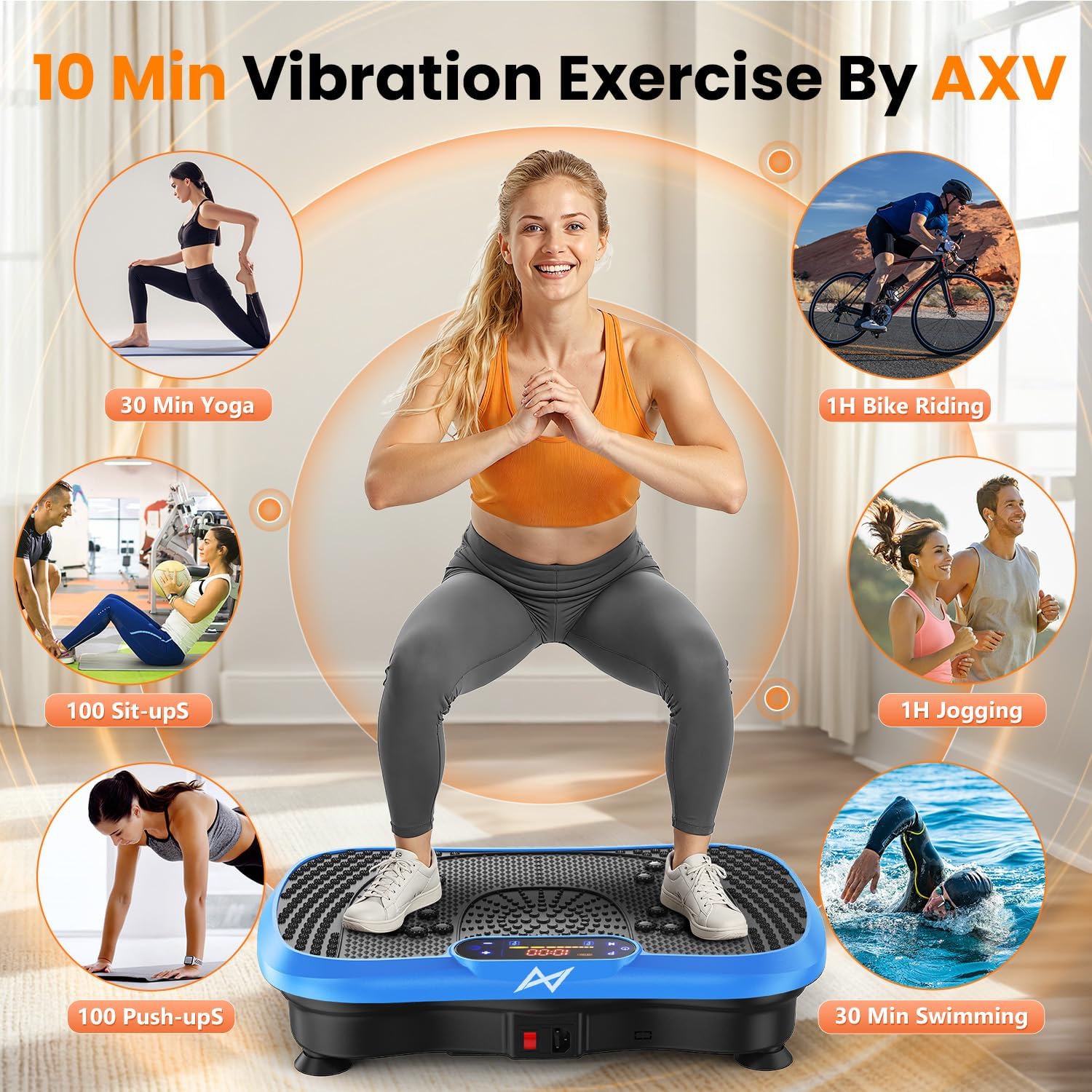
AXV Vibration Plate Fitness Platform

AXV Vibration Plate Fitness Platform Exercise Machine Vibrating Shaking Full Body Shaker Workout Vibrate Stand Shake Board Sport Gym for Weight Loss Fat Burner for Women Men

👉 Check Price on Amazon

1️⃣ Hydrate First Thing

Before coffee or scrolling your phone, drink a glass of water. Overnight, your body gets dehydrated — and hydration is key for fat metabolism.

Why It Works:

  • Boosts digestion and detox

  • Helps control appetite

  • Supports cellular fat-burning processes

💡 Tip: Add lemon or a pinch of sea salt for extra metabolic support.

2️⃣ Get Moving (Even for 10 Minutes)

You don’t need a full workout. A short burst of movement — like stretching, walking, or bodyweight exercises — activates fat-burning hormones.

Benefits:

  • Increases blood flow and oxygen

  • Enhances insulin sensitivity

  • Starts calorie burn early

💡 Try a 10-minute HIIT or yoga flow to wake up your body.

3️⃣ Eat a Protein-Rich Breakfast

Skip sugary cereals. A breakfast high in protein keeps you full and stabilizes blood sugar, which helps reduce fat storage.

Smart Choices:

  • Eggs, Greek yogurt, cottage cheese

  • Protein smoothies with fiber

  • Tofu scramble or chickpea pancakes

💡 Aim for 20–30g of protein in your first meal.

4️⃣ Take a Cold Shower

Cold exposure triggers brown fat activation — a type of fat that burns calories to generate heat.

Why It’s Effective:

  • Boosts metabolism

  • Improves circulation

  • Enhances mental alertness

💡 Start with 30 seconds of cold water and build up gradually.

5️⃣ Use a Smart Caffeine Strategy

Coffee can be a fat-burning ally — if used wisely. Avoid sugary add-ins and time your caffeine intake post-hydration.

Fat-Burning Boosts:

  • Increases thermogenesis

  • Suppresses appetite

  • Enhances workout performance

💡 Try black coffee or green tea 30–60 minutes after waking.

✅ Final Thoughts

Your morning habits shape your metabolism for the rest of the day. By stacking these five fat-burning strategies, you’ll feel more energized, focused, and ready to crush your goals.

Want more tips like this? Follow the blog and share your favorite morning routine in the comments!

Disclosure: As an Amazon Associate, I earn from qualifying purchases.